



Indonesia and Vietnam are the two Southeast Asian names that come up most when a European buyer plans a plywood program. Both are real manufacturing origins with long export histories, so the decision is rarely “which country is better” in the abstract — it is which factory, in which country, fits your specification and your paperwork. This guide gives a fair framework rather than a sales pitch.
For the broader origin picture, see our Vietnam, China and Indonesia sourcing comparison and the export-market buyer guide.
The honest answer to “which is better” is that the question is incomplete. A furniture buyer needing E0 panels and a contractor needing film-faced formwork are asking different things, and the right origin can differ for each. The comparison below is built to be filled in with your own specification rather than to declare a winner in the abstract.
🌳 Core species drive the real difference
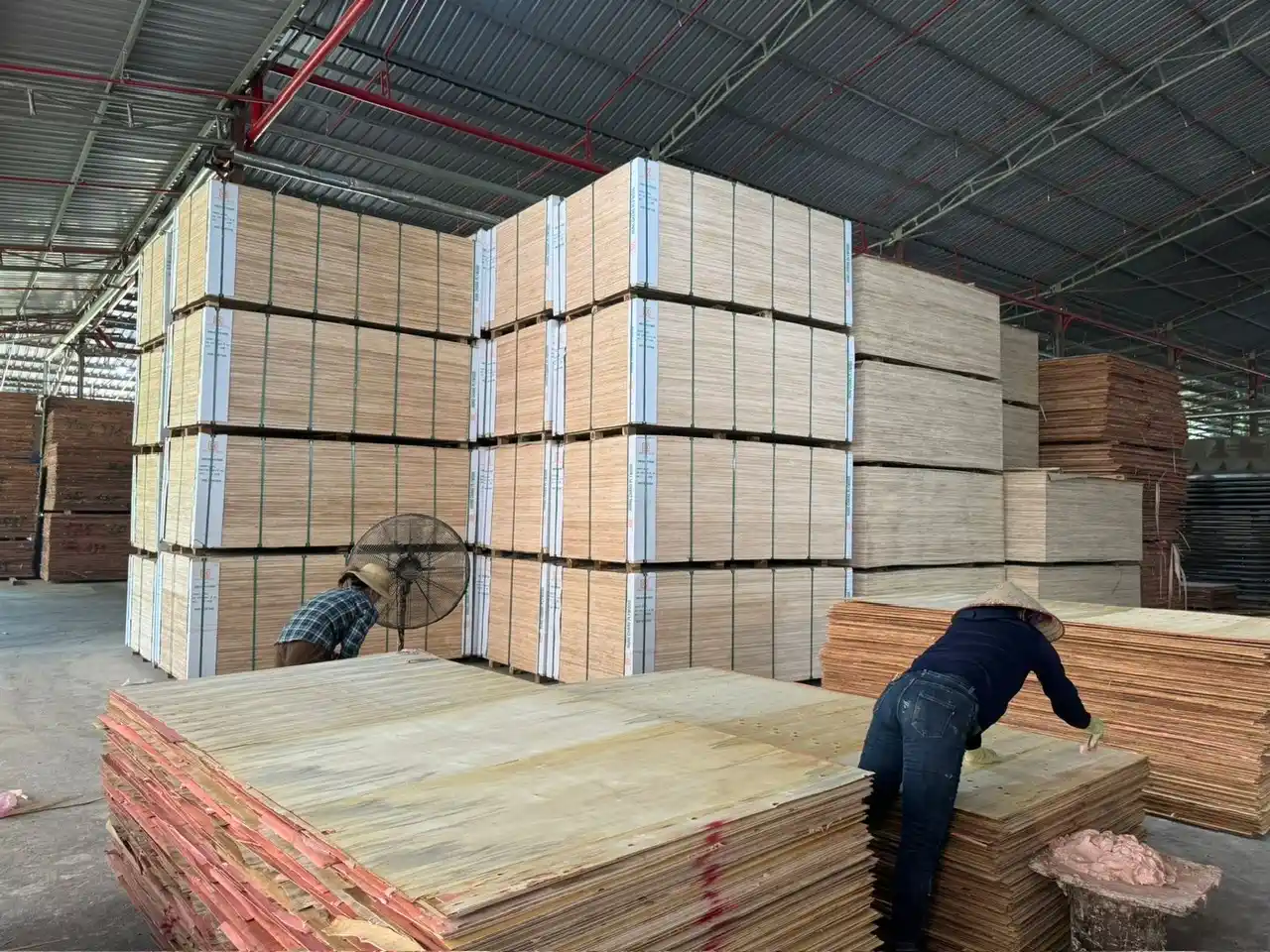
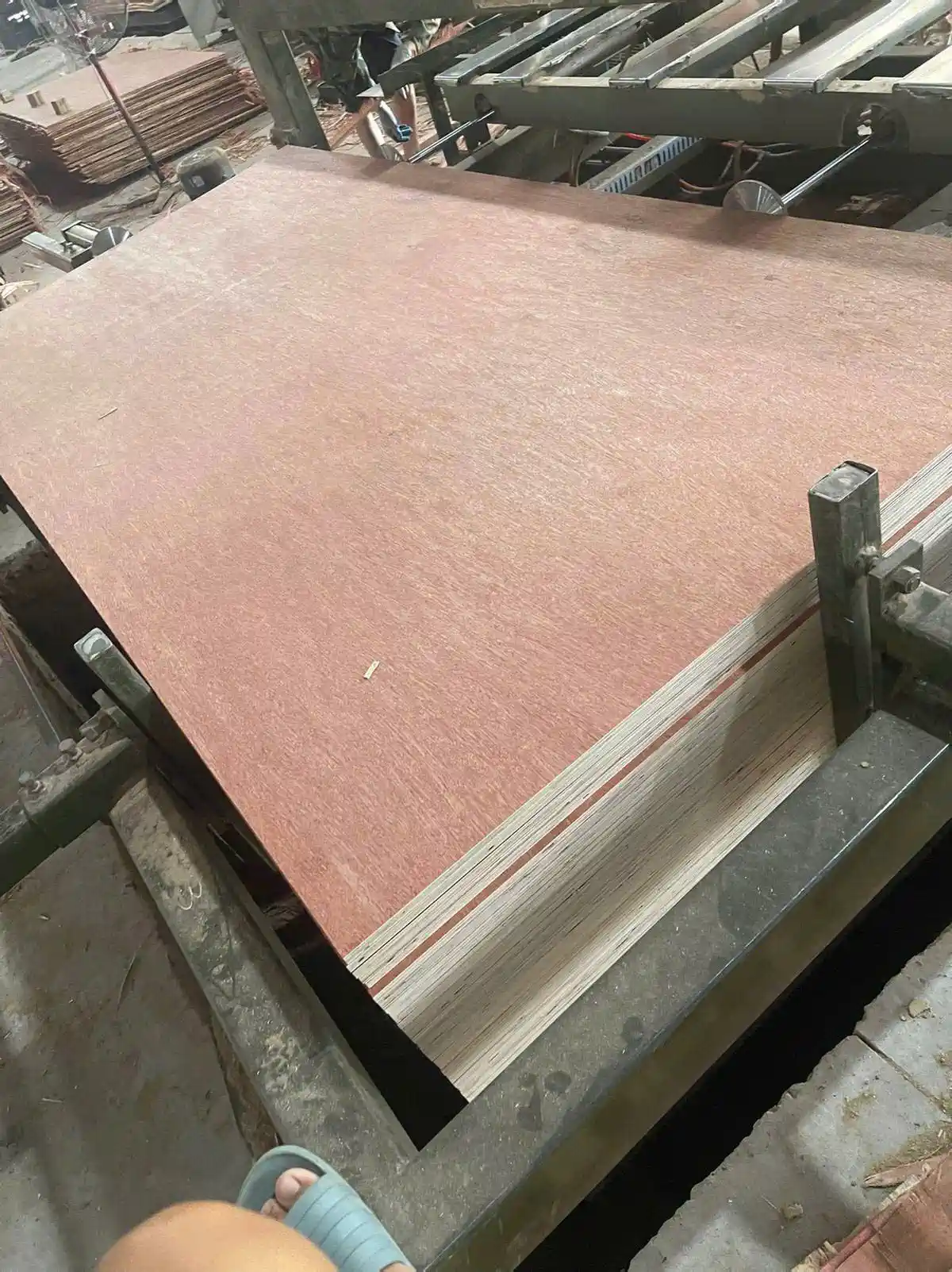
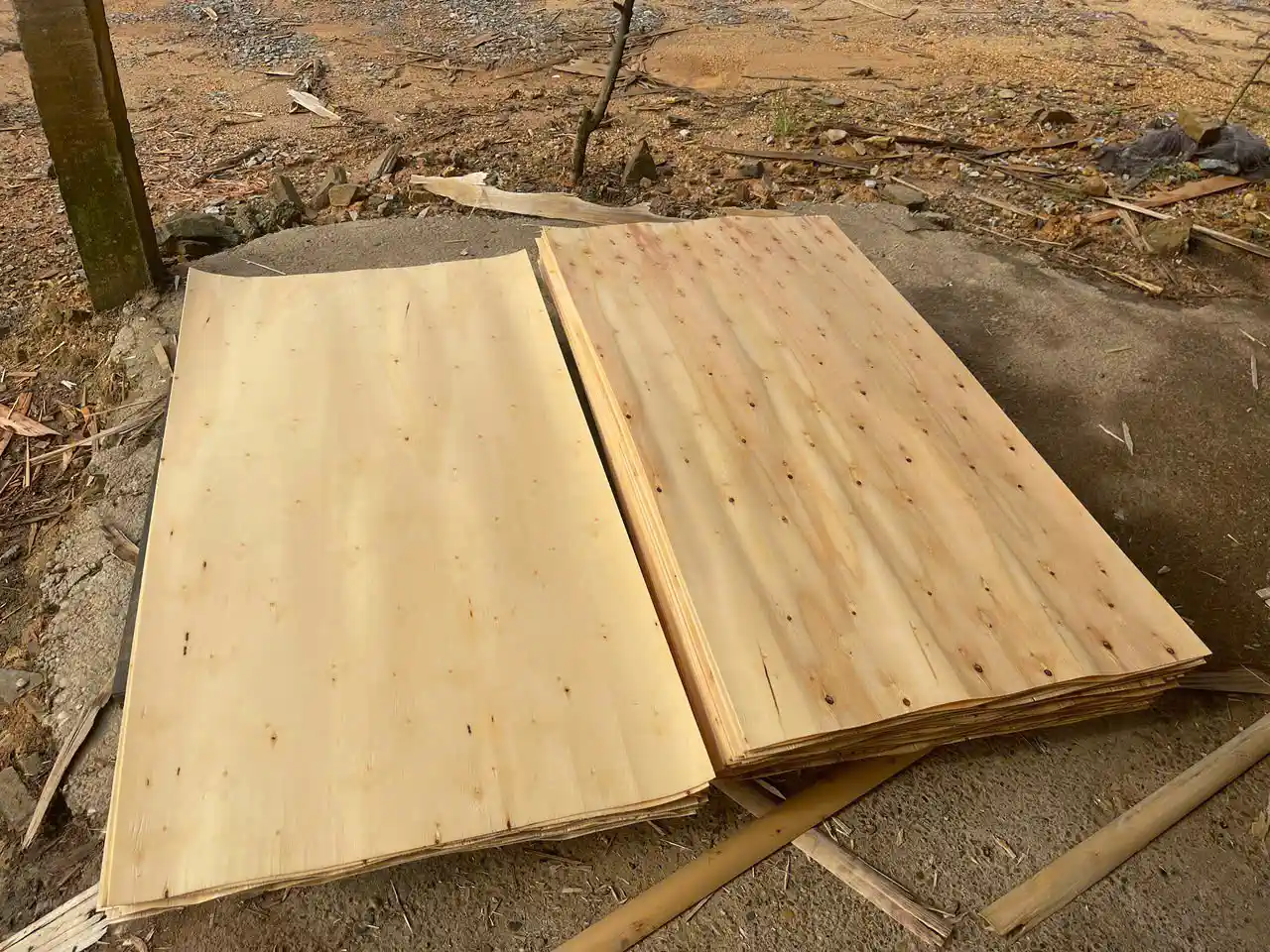
Most buyers compare panels by name and price, then wonder why two “18mm” quotes differ. The answer is usually the core. Vietnamese cores are acacia (about 580 kg/m³), eucalyptus (about 650 kg/m³) and styrax (about 500 kg/m³) — fast-growing plantation species with known densities. Indonesia commonly works with other tropical and plantation species. Different core means different weight, container fill and cost, so always line up core against core. Our core veneer page sets out the Vietnamese options.
📜 Legality systems and EUDR
Indonesia operates the SVLK timber legality system, which has supported its exports for years. Vietnamese exporters serving Europe have organised around FSC, CARB P2, CE and EUDR documentation as a standard set. From 30 December 2025 the EU Deforestation Regulation requires geolocation and due-diligence data regardless of origin. The practical question for a buyer is the same in both countries: does this specific factory supply the data, with a certificate scope covering finished panels? HCPLY supplies the EU package ready — see our certifications page.
🏭 Factory-direct vs reseller, in either country
Origin matters less than whether you are buying from the factory or a step removed from it. A reseller adds a margin and a domestic tax layer before export, which can add roughly $50 per CBM. A factory-direct Vietnam plywood manufacturer avoids that layer and can answer questions about its own production. The same test applies to an Indonesian supplier: ask whether they run the line.
📦 Flexibility on mixed specifications
Buyers who need mixed loads — furniture panels and film-faced formwork in one relationship — often value flexibility on run size and specification. Vietnam’s production base is organised across specialized facilities, which suits mixed and smaller trial orders. Very large single-line factories, wherever they are, tend to prefer long, uniform runs.
🧪 Quality is proven by records, not reputation
Neither country guarantees quality on its own. What protects a buyer is batch-level evidence: thickness logs, moisture readings and glue bondline notes for the specific order. A factory that rejects defects on the floor keeps claims low; ours stays below 2%. See our quality control page for how that runs in practice.
💶 Price, weight and container economics
Because core species differ, so does the freight maths. A lighter core fills more cubic metres before a container hits its weight limit; styrax (about 500 kg/m³) loads around 54 CBM per 40HC, while denser cores load less. When you compare a Vietnam quote with an Indonesian one, convert both to a delivered cost per sheet or per CBM rather than a headline factory price, and include the container fill. A panel that looks cheaper per sheet can cost more delivered if it is heavier and fewer fit per container. Asking each supplier to state core species and expected CBM per 40HC turns a vague price match into a real comparison.
📦 Application fit: furniture, commercial, formwork
Match the origin to what you actually build. For furniture, the smooth, light styrax core and a clean face are the priority, with E0 emission for the EU. For commercial and packing grades, acacia with melamine and E1 or E2 suits a lower budget. For concrete formwork, denser eucalyptus or acacia cores bonded with phenolic (WBP) glue carry repeated pours. Both Vietnam and Indonesia can serve several of these segments, but the specific factory’s strength varies. A supplier organised across specialized facilities can cover furniture, commercial and film-faced needs in one relationship, which simplifies a mixed program more than juggling separate factories.
✅ Run the comparison on one sheet
Put both origins side by side: core species, face, glue class, emission grade, thickness tolerance, certification scope, EUDR data, duty exposure and delivered cost. Country is one row among many. Built honestly, the comparison often surprises buyers who assumed a fixed ranking. To test a Vietnam quote against your current Indonesian supplier on your own specification, send it through our contact page.