
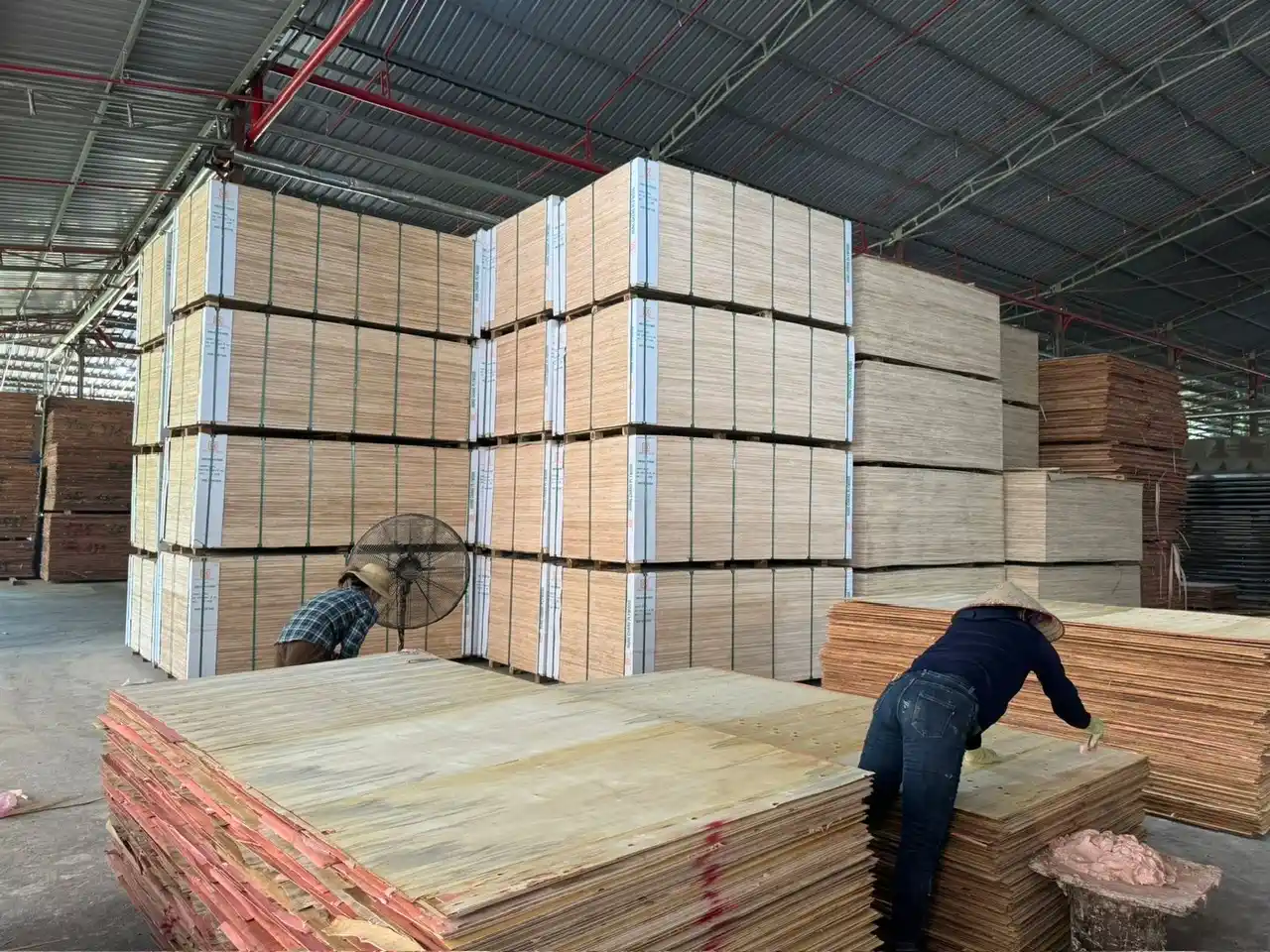
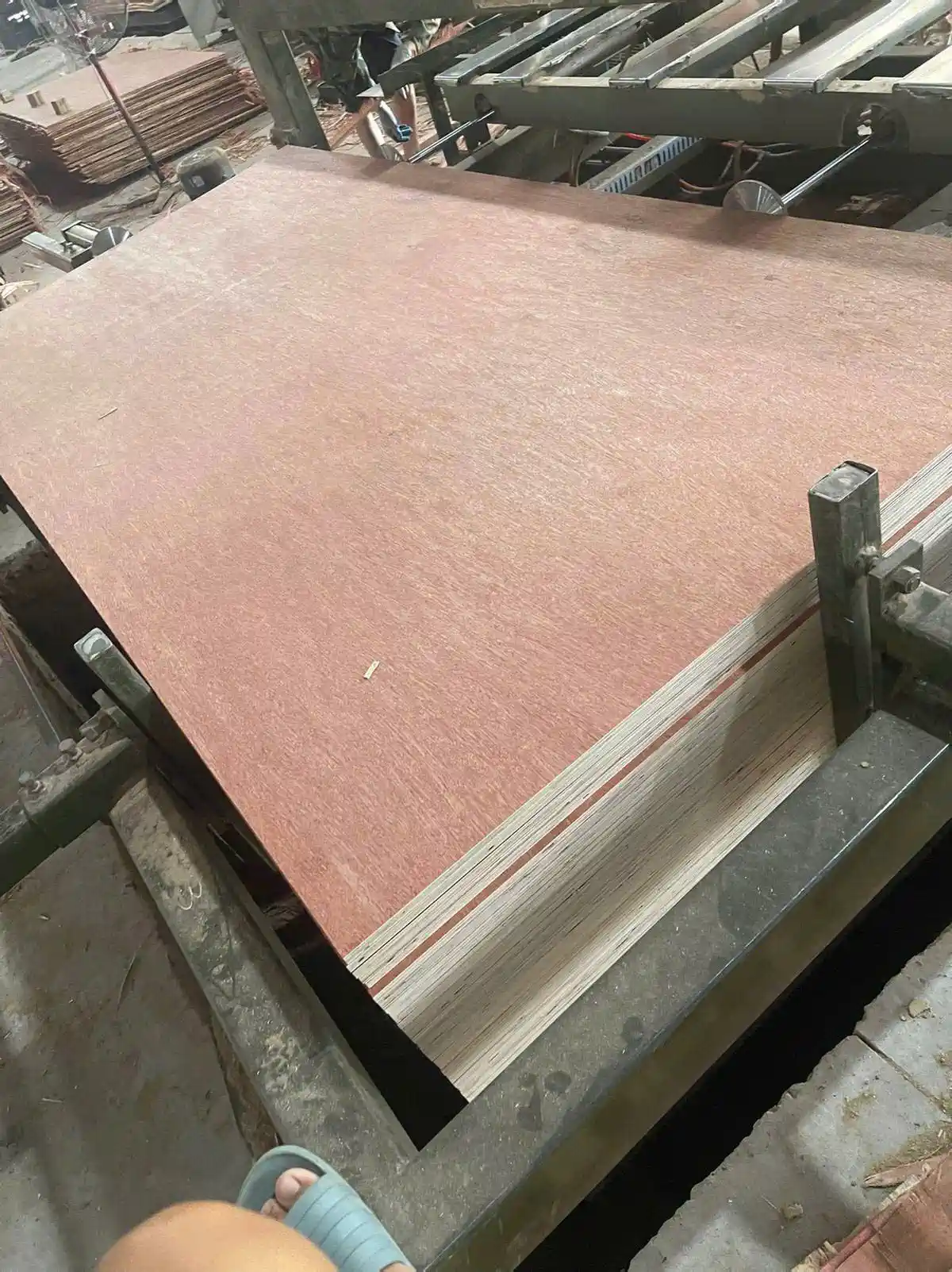

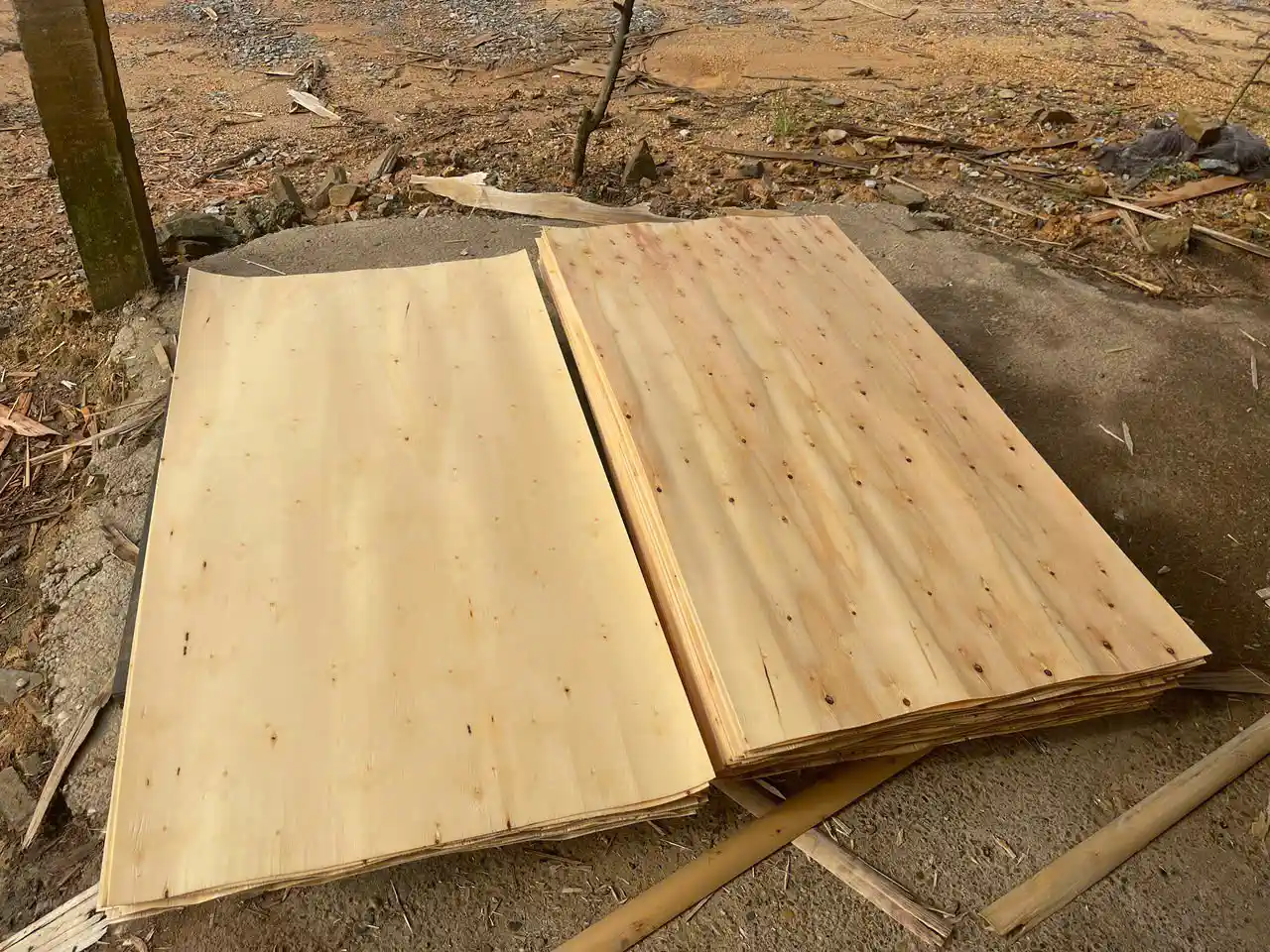


European furniture factories ask for birch plywood expecting a clean, light, paintable face that machines predictably on an automated line. The disappointment usually comes from the same place: the face was specified, the core was not, and the panels behaved differently batch to batch. Getting birch plywood right from Vietnam is mostly about specifying the two layers separately.
This guide is written for furniture buyers serving the EU. For the regulatory backdrop see our EUDR-compliant plywood for the European market and the export-market buyer guide.
🌳 Birch is a face, not a core
The single most important point: Vietnamese plywood cores are acacia, eucalyptus or styrax. Birch is a face veneer laid over one of those cores. A supplier offering a “Vietnamese birch core” is describing the product wrong, which is a useful early filter. Our furniture plywood and birch plywood pages set out the combinations.
🪵 Choose the right core under the birch face
For furniture, the core decides flatness and machining. Styrax (about 500 kg/m³) is light and smooth, which is why it is our best seller for furniture panels; eucalyptus (about 650 kg/m³) is heavier and stiffer where extra rigidity matters. A buyer in Poland came to us asking for an acacia core under a decorative face; once we understood the panels were for furniture, we recommended styrax for the smoother surface and lighter container weight. Specify the core species, not just “hardwood”.
📐 Birch face grades: D, E, F
Birch face veneer is graded D, E and F — there is no A/B/C scale for it. Match the grade to the surface: a cleaner grade for visible show faces, a more economical grade for hidden or laminated surfaces. Stating the grade per face (front and back can differ) avoids paying show-face prices for a panel that will be covered.
🧪 Emission and glue, specified separately
Glue type and emission grade are two different things, and mixing them is the most common specification error. The glue for furniture panels is typically melamine (MR class). The emission grade is E0 or E1. For European furniture, E0 (equivalent to CARB P2) is the safe default. Write it as two fields — “Glue: melamine (MR) | Emission: E0” — never as “E0 glue”.
📜 Documentation a EU furniture buyer should require
For Europe, the document package should include FSC, CARB P2, CE, and EUDR due-diligence data, with the certificate scope covering finished panels rather than logs. HCPLY supplies these as a standard set — see our certifications page. From 30 December 2025 the EU Deforestation Regulation makes the geolocation and due-diligence data a practical requirement, not a nice-to-have.
📏 Thickness tolerance for automated lines
Inconsistent thickness is the complaint that hurts a furniture line most, because automated machinery expects a stable panel. The industry commonly works to ±0.3 to ±0.5mm; for furniture grade we hold ±0.2mm so panels behave the same across a batch. Ask for the tolerance figure in writing and confirm it appears on the proforma.
📦 Container weight and the furniture core
The core you choose under the birch face also decides how the order ships. Because density differs by species, the same container holds different volumes: styrax (about 500 kg/m³) loads around 54 CBM per 40HC, while a heavier core fills fewer cubic metres before hitting the weight limit. For a furniture buyer, the lighter styrax core often means more usable panels per container and a lower freight cost per sheet — another reason it is our furniture best seller. Packing also matters: our calculator caps loads at about 18 pallets per 40HC for styrax, because overloading cracks pallet legs and the buyer pays for it. Ask any supplier to state the core species so the freight maths is honest.
🔍 How to spot a genuine furniture-grade offer
A real furniture-grade offer answers in specifics. It names the birch face grade per side, the core species and density, the glue class, the emission grade, and the thickness tolerance — without being chased for each field. A weak offer hides behind “birch plywood, furniture grade” and resists writing the core into the proforma. Ask one direct question early: “Which core species, and why?” A factory that controls production answers with a species and a reason tied to your application; a reseller gives a vague “hardwood” reply because it does not run the line. That single exchange usually separates a manufacturer from a middle layer faster than any brochure.
✅ A clean birch furniture specification
Bring it together on one line before ordering: birch face grade (per side), core species, glue class, emission grade, thickness and tolerance, panel size, and certification scope. A factory-direct manufacturer can confirm every field from its own production; a reseller will hesitate on the core and the grade. To receive birch-faced furniture samples with the full document set, send your specification through our contact page.