
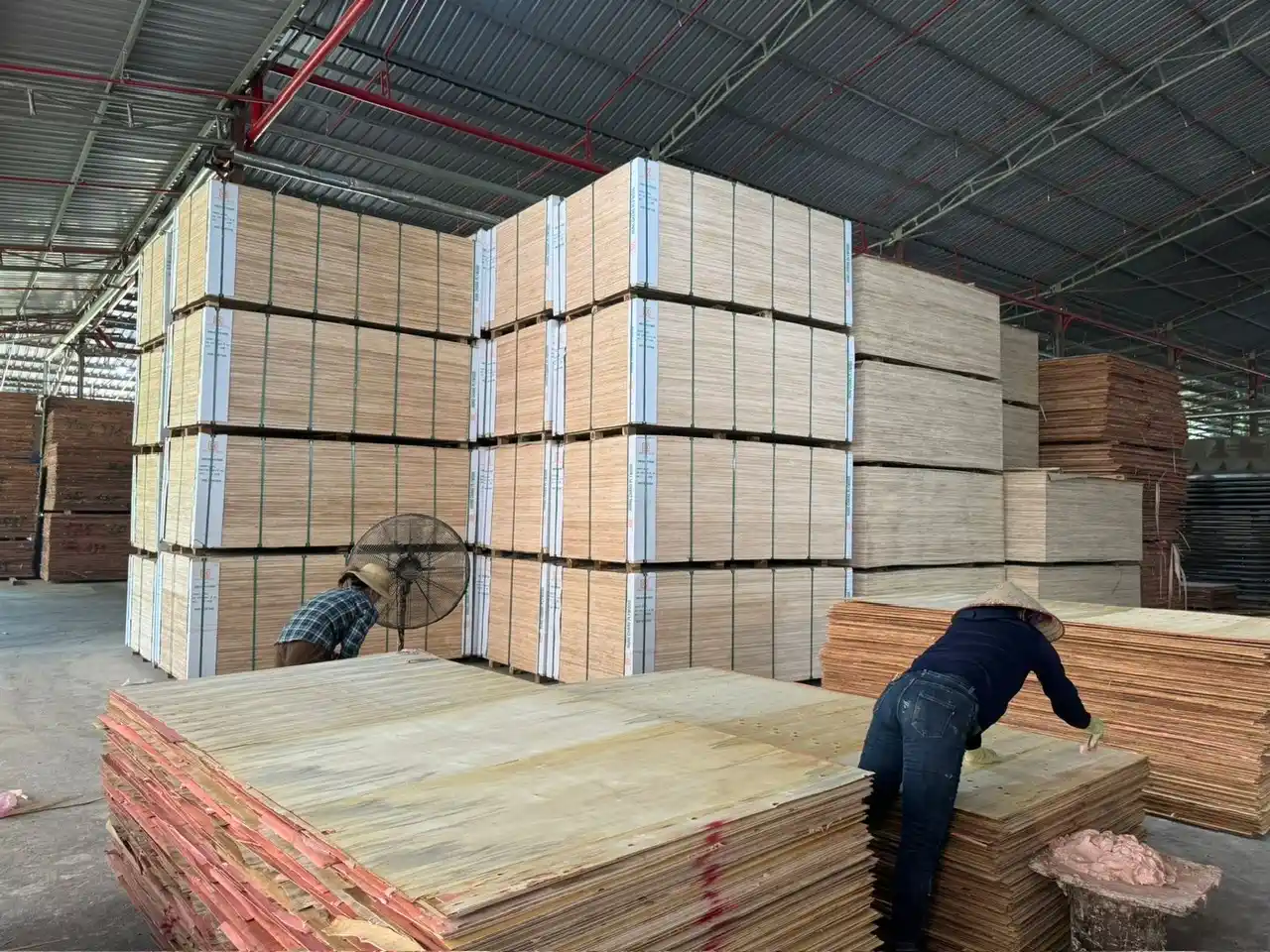
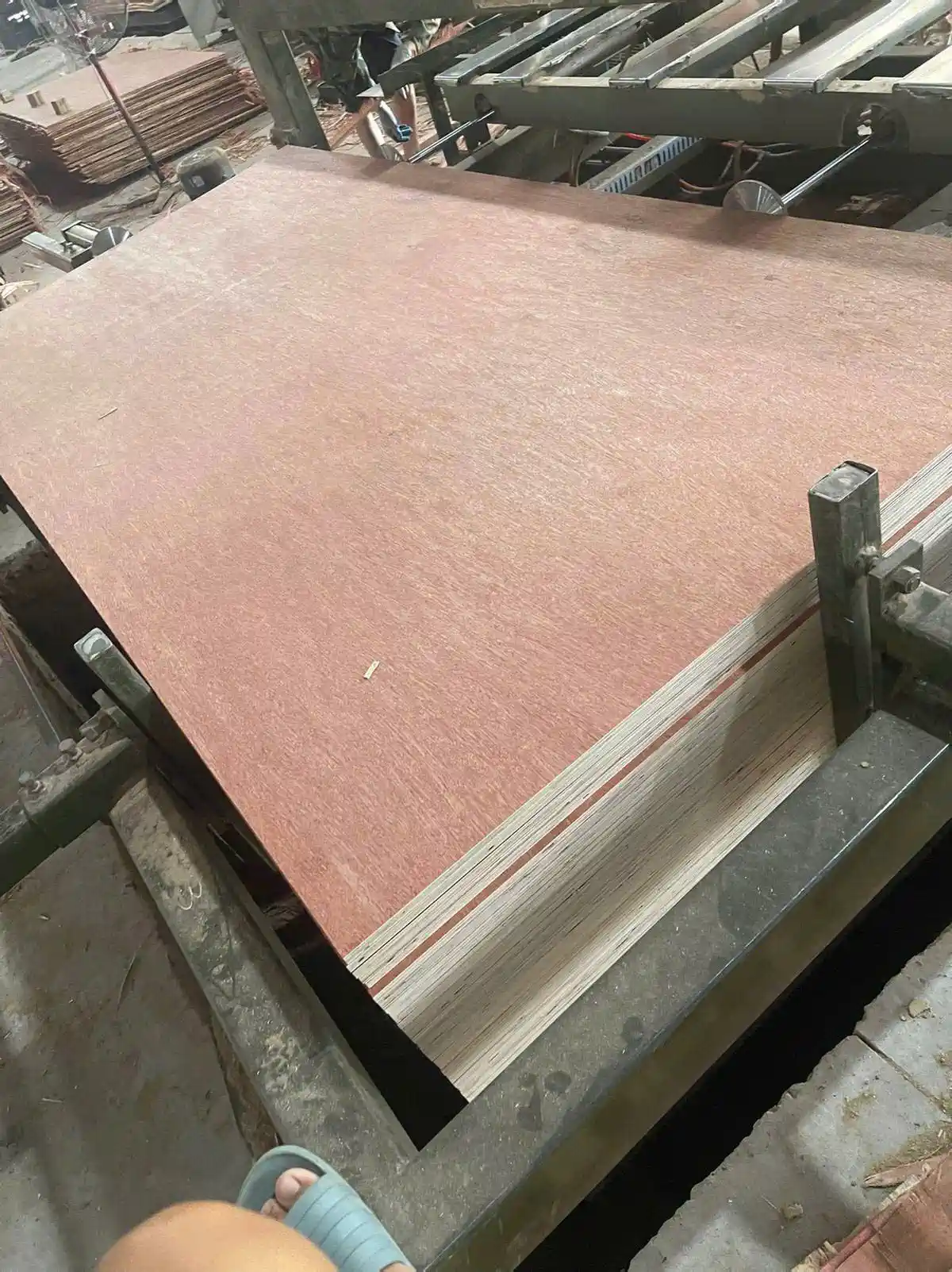

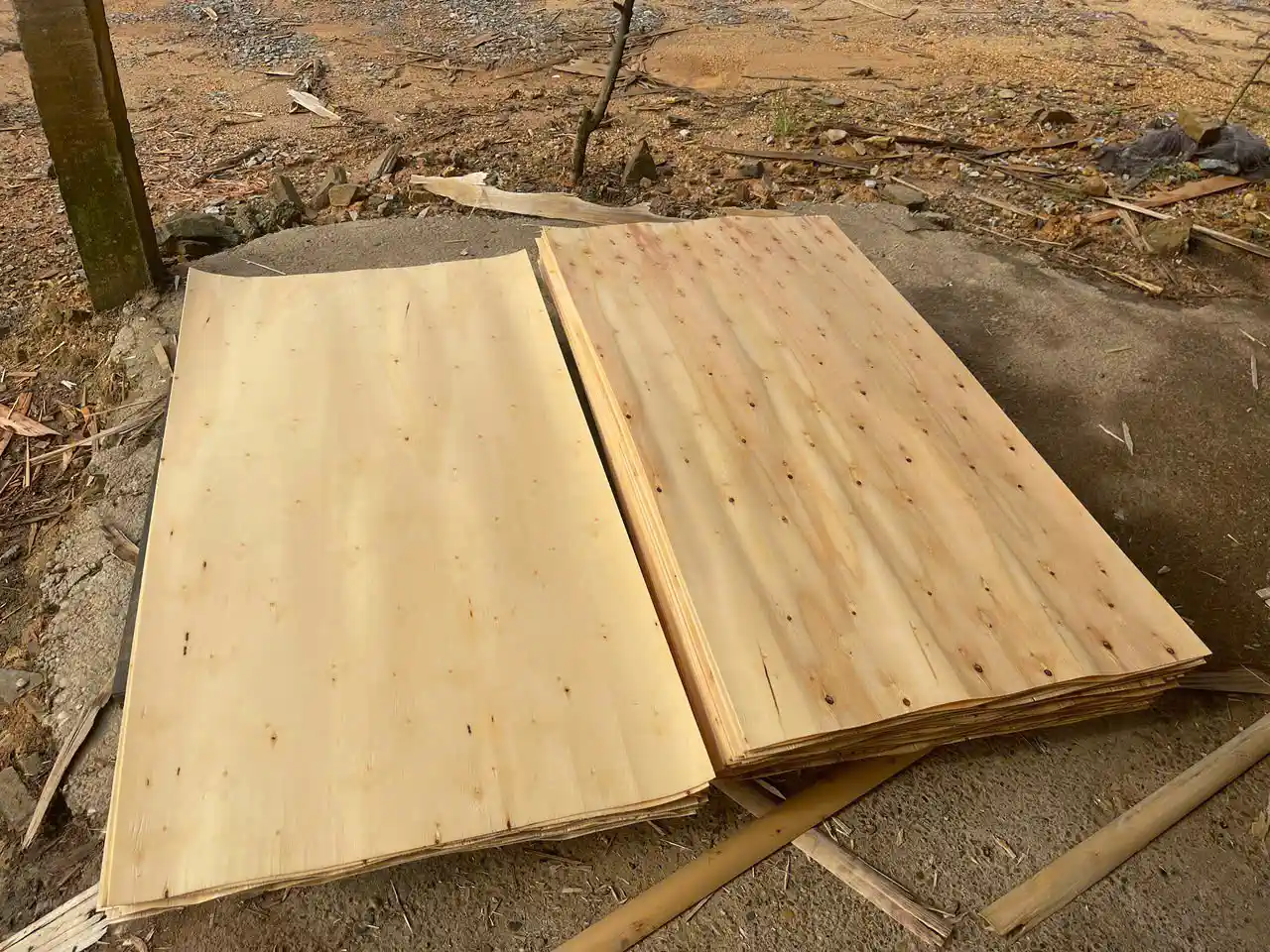


Most plywood that disappoints a buyer was not mis-priced — it was mis-specified. The sample board looked right, the photos looked right, and then the container arrived with a lighter core, a thinner face, or a moisture problem nobody asked about. The fix is not a better sample. It is a better conversation before the order.
These are the ten questions our sales team hears the strongest suppliers answer without hesitation — and the ones that expose a reseller fast. Use them alongside our plywood supplier evaluation checklist and the full guide to buying plywood from Vietnam.
🧭 Why the right questions matter more than the lowest quote
A low quote with the wrong core species costs more than a fair quote with the right one. Raw-material prices in this industry shift weekly, so two prices for “18mm plywood” can describe two completely different panels. The questions below move the conversation from price to specification, where the real value sits.
🏭 1. Do you manage your own production, or resell from other factories?
This is the first filter. A factory-direct Vietnam plywood manufacturer can describe its lines, its core species, and its quality team. A reseller answers in generalities because it does not control the floor.
HCPLY manages three specialized facilities in Northern Vietnam — one for premium furniture panels, one for commercial and packing grades, and one for film-faced formwork. You can read how that is organised on our factory page. The practical benefit for a buyer is one point of contact across furniture, commercial and film-faced needs, with factory documentation on every shipment.
🌳 2. Which core species will you use — and why?
Vietnamese plywood cores come from three species, and the choice changes everything: acacia (about 580 kg/m³), eucalyptus (about 650 kg/m³), and styrax (about 500 kg/m³). Styrax is light and smooth, which is why it is the best seller for furniture; eucalyptus is heavier and water-resistant, which suits film-faced formwork.
A buyer in Poland once asked us for an acacia core under a eucalyptus face. After we asked what the panels were for — furniture — we suggested styrax instead: a smoother surface, lighter weight, and about 54 CBM per 40HC container against roughly 46 to 47 CBM with acacia. The right question on our side saved real money on theirs. If you are sourcing raw input, our core veneer page explains the options; for finished panels see furniture plywood.
🧪 3. Can you show batch-level QC records for my order?
Certificates describe a company. Records describe your shipment. Ask for thickness logs, moisture readings, and glue bondline notes dated to your production window. A supplier that rejects defects at the factory — not at the port — keeps a low claim rate; ours stays below 2%. See how this works on our quality control page.
Our claim rate stays below 2% because we reject at the factory, not at the port. — Lucy, International Sales Manager
📜 4. Are your FSC and CARB P2 certificates valid for finished panels?
A common European concern is a certificate that turns out to be fake or scoped to the wrong product. Verify it yourself: search the supplier’s legal name at the FSC public database and confirm the scope covers finished plywood, not “logs only”. HCPLY holds FSC, CARB P2, CE, ISO 9001, and EUDR and EUTR documentation, ready rather than pending — details on our certifications page.
📐 5. What thickness tolerance do you hold?
Inconsistent thickness across sheets is one of the most frequent furniture-buyer complaints. The industry commonly works to ±0.3 to ±0.5mm. For furniture grade we hold ±0.2mm, because a tighter tolerance is what makes panels behave on an automated line. Ask for the number in writing, not a reassurance.
💧 6. How do you protect against moisture damage in transit?
Buyers far from Vietnam — Latin America, Africa, parts of Europe — worry most about a container arriving wet. Ask how panels are wrapped, whether desiccant is used, and how moisture is measured before loading. The answer should be a process, not a promise.
📦 7. How many pallets will you load per container?
Overloading is a real risk, and it is the buyer who pays for cracked pallets and manual unloading. We learned this from a shipment where a buyer insisted on 26 pallets in a 40HC against our recommended maximum. The pallet legs cracked under load. Since then our packing calculator enforces hard limits: a maximum of about 18 pallets per 40HC for styrax, 16 for acacia, and 15 for eucalyptus, because density differs by core.
Our packing calculator is built from loading thousands of containers — every number is tested, not theoretical. — Lucy, International Sales Manager
💶 8. Is your price factory-direct, or does it include a reseller margin?
A reseller buys from a factory and adds a margin plus domestic tax before exporting, which can add roughly $50 per CBM. A factory-direct exporter avoids that layer. A buyer in Spain moved to us for exactly this reason and signed a long-term contract once the per-CBM difference became clear. Ask where the price is set — at the factory, or one step removed from it.
⏱️ 9. What is your real lead time and inquiry response time?
A genuine manufacturer needs about 15 to 25 days from confirmed order to a loaded container, and answers inquiries within a day because prices move quickly. A three-day promise for a full container is a warning sign: it usually means old stock or repackaged material from somewhere else.
🤝 10. Will you put the agreed specification in writing before production?
Face species, core species, glue type, emission grade, thickness, size, tolerance, and certification — all of it should appear on a proforma before any deposit. “Previous supplier swapped material after the first order” is one of the most common complaints we hear from new buyers. A written specification is the simplest protection you have.
🚩 Red flags to walk away from
- A “hardwood core” answer with no species or density.
- No batch-level QC records, only glossy brochures.
- A certificate scope that does not cover finished panels.
- A full-container lead time that sounds too fast to be real.
- Reluctance to put the specification in writing.
Ask these ten questions and the difference between a real manufacturer and a reseller usually becomes obvious within one email exchange. When you are ready to compare answers, send your specification through our contact page and we will reply with a factory-direct quote within 24 hours.